Patient Information

What is Osteoporosis?

Anatomy of Bone

    • Your bones vary in size and shape. All of your bones line up and connect to form your skeleton.
    • In addition to creating your body structure, your bones produce blood cells, form joints with muscles for movement, and protect your internal organs.
    • Your bones are live tissues. They change and grow like the other parts of your body.
  • Osteoporosis is a progressive bone disease that weakens the bones and increases the risk of fractures.
  • It’s a “silent disease,’ because bone loss occurs without symptoms.
Anatomy of Bone
  • iewed under a microscope, healthy bone looks like a honeycomb. When osteoporosis occurs, the holes and spaces in the honeycomb are much larger than in healthy bone.
  • Osteoporotic bones have lost density or mass and contain abnormal tissue structure. As bones become less dense, they weaken and are more likely to break.
  • The fractures, as a consequence of osteoporosis most often occur in the hip, spine, and wrist.

What are the Symptoms of Osteoporosis?

There typically are no symptoms in the early stages of bone loss. But once your bones have been weakened by osteoporosis, you might have signs and symptoms that include:

Back pain, caused by a fractured or collapsed vertebra

Loss of height over time

A stooped posture

A bone that breaks much more easily than expected

Is Osteoporosis a Common Problem?

Process

1. Problem

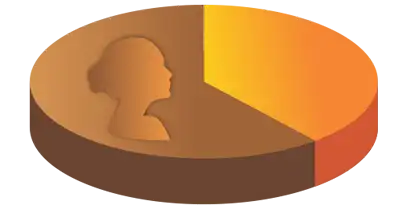
1 in 3 women, and 1 in 5 men

over 50 will experience osteoporotic fractures

2. Problem

61% of osteoporotic fractures occur in women, with a female-to-male ratio of 1.6.

Process
Process

3. Problem

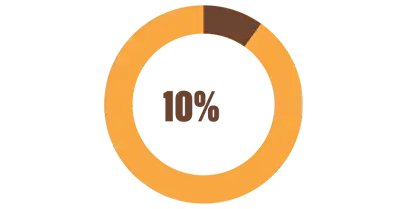
A 10% loss of bone mass in the vertebrae increases the risk of vertebral fractures by 2 times (double).

10% loss of bone mass in the hip can result in a 2.5 times greater risk of hip fracture.

4. Problem

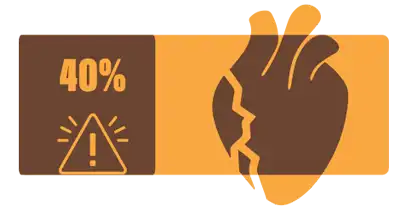
The combined lifetime risk is 40% for hip, forearm and vertebral fractures, which is equivalent to the risk for cardiovascular disease.

Process

Am I at risk for Osteoporosis?

All of us are at risk of developing osteoporosis, as we get older, which is why elderly people are more likely to break bones when they fall. But there are some people who are at higher risk of osteoporosis than others.

How Osteoporosis can be Detected?

Anatomy of Bone
  • A Bone mineral Density (BMD) test is the best way to determine your bone health.
  • BMD tests can identify osteoporosis, determine your risk for fractures, and measure your response to osteoporosis treatment.
  • The most widely recognized BMD test is called a Dual-Energy X-ray Absorptiometry, or DEXA test.
  • The BMD test is painless a bit like having an X-ray, but with much less exposure to radiation.
  • The test uses X-rays to measure how many grams of calcium and other bone minerals are packed into a segment of bone.
  • The bones that are most commonly tested are in the spine, hip and sometimes the forearm.
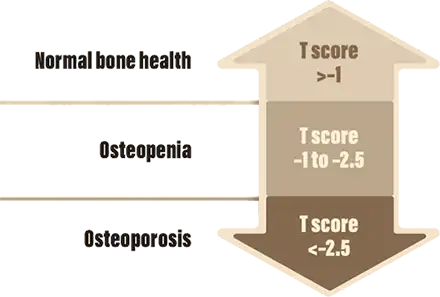
  • The T-score is a measure of BMD in comparison to normal.
    • T-scores between +1 and −1 are considered normal.
    • T-scores between −1 and −2.4 indicate low bone mass known as osteopenia.
    • A T-score of −2.5 or lower indicates osteoporosis.

Is Osteoporosis a Serious Condition?

Breaking a bone is a serious complication of osteoporosis, especially with older patients.

Osteoporotic bone breaks are most likely to occur in the hip, spine or wrist, but other bones can break too.

Osteoporosis may limit mobility, which often leads to feelings of isolation or depression.

Additionally, 20% percent of elderly patients who break a hip die within one year from either complications related to the broken bone itself or the surgery to repair it.

Many patients require long-term nursing home care.

Osteoporosis can be Prevented?

Calcium

Men and women between the ages of 18 and 50 need 1,000 milligrams of calcium a day. This daily amount increases to 1,200 milligrams when women turn 50 and men turn 70.

Good sources of calcium include:

  • Low-fat dairy products
  • Dark green leafy vegetables
  • Soy products, such as tofu

Vitamin D

Vitamin D improves the body’s ability to absorb calcium and improves bone health

People can get some of their Vitamin D from sunlight, but this might not be a good source if you live in a high latitude, if you’re housebound, or if you regularly use sunscreen or avoid the sun because of the risk of skin cancer.

Dietary sources of vitamin D include cod liver oil, trout and salmon

Most people need at least 600 international units (IU) of Vitamin D day. That recommendation increases to 800 a day after age 70.
Exercise

Exercise can help you build strong bones and slow bone loss.

How Osteoporosis can be Treated?

Osteoporosis is treated with diet, exercise, and medicine if needed.

Make sure you get enough calcium and vitamin D in your diet through low-fat or fat-free dairy products (such as yogurt and cheese), dried figs, dark green leafy vegetables, fish, and juices, breads, and cereals with added calcium.

Your doctor may prescribe a new class of drug known as anabolics which can form new bones and treat osteoporosis

DENOCLAST

DENOCLAST is an osteoporosis medication prescribed to help strengthen your bones and reduce your risk of breaking a bone. It is available as a six-monthly injection.

DENOCLAST is an antibody that slows down the natural rate your bones are broken down. It works by blocking a protein and suppressing the cells that break down bone.

DENOCLAST and Coronavirus

Your immune system:

DENOCLAST is an antibody-based medication, but it doesn't suppress your immune system. This means it doesn't increase your risk of complications from the coronavirus.

This is unlike other antibody-based medications used to treat diseases like rheumatoid arthritis.

You don’t need to take special measures to protect yourself from infection. You can and should continue to take your medication.

Delayed injection:

It’s important that your next injection isn’t delayed for more than four weeks, as the benefits wear off quickly. This causes a sudden drop in bone density and increases your risk of spinal fractures. You can have repeat injections up to four weeks early, so you have some flexibility.

If you're reluctant to go into hospital for your injection, speak to your doctor through phone and follow the guidelines accordingly

A decision on whether you're able to self-administer should be made by your healthcare professional, together with you.

Side effects

Delayed injection:

Known side effects include:

  • Skin infections
  • Low blood calcium levels*, causing:
  • Numbness or tingling in your fingers, toes or around you mouth
  • Muscle spasms, twitches or cramps

*if you experience these problems, please contact your doctor immediately.

It’s unlikely you’ll experience any side effects. But if you do, they shouldn't last for long.

Who should take DENOCLAST?

DENOCLAST is usually prescribed for postmenopausal women, men and occasionally younger women.

DENOCLAST doesn't suit everyone. It may not be the best treatment for you if:

  • you have a low blood calcium level
  • you are intolerant to fructose
  • you are allergic to latex
  • you are pregnant or breast feeding

If you're prescribed DENOCLAST

Be informed:

Talk to your doctor about your medication, its side-effects and any risks. You can read the information on this page and in your patient information leaflet, so you know what to expect.

Getting your injection:

It’s important that you have adequate levels of calcium and vitamin D when you’re taking DENOCLAST. For this reason, your doctor takes a blood test before the infusion, to check your levels.

If you’re not getting enough calcium from your diet or enough vitamin D from sunlight exposure, you can consider supplements.

How long to take it:

DENOCLAST is generally prescribed long term, so you need to be happy it is the right option for you.

To get the full benefits, DENOCLAST should be taken regularly as instructed by your doctor or pharmacist.

There’s no formal guidance on how long you should continue to take DENOCLAST. In some cases, it can be prescribed for a decade or even longer. It’s a good idea for you to review your treatment with your doctor, every so often, to check it’s still the best option for you.

Ending your treatment:

When you come to the end of your treatment, you should start taking another osteoporosis treatment straight away.

This is because stopping DENOCLAST causes a sudden drop in bone density and increases your risk of spinal fractures. Following DENOCLAST with another osteoporosis treatment has been found to stop this from happening. Spinal fractures caused by this sudden drop in bone density are called rebound fractures.

In rare cases, you might be advised to stop taking DENOCLAST without a follow-on treatment. This happens if your risk of breaking a bone is very low, and the decision should always made by an osteoporosis specialist.

If you experience side effects:

It's perfectly natural to be concerned by side effects although, in most cases, they do pass.

The best thing to do is speak to your doctor. They can assess if there's a better treatment for you. They can also help you work out whether DENOCLAST is causing the symptoms, or if something else is the cause, such as another medication.

If you experience:

  • Numbness or tingling in your fingers, toes or around you mouth
  • Muscle spasms, twitches or cramps

please contact your doctor immediately.

Health risks

There are some more serious but very rare health conditions associated with DENOCLAST:

Osteonecrosis of the jaw - when the mouth fails to heal quickly, usually following invasive dental procedures
Atypical (unusual) broken bones in the thigh - a break to the thigh bone that occurs with little or no force after taking the medication for a long time
If you are prescribed DENOCLAST, your doctor has decided the benefit of taking the treatment outweighs any risks.

It's perfectly natural to feel concerned and unsure, but be reassured that your risk of these is very small.